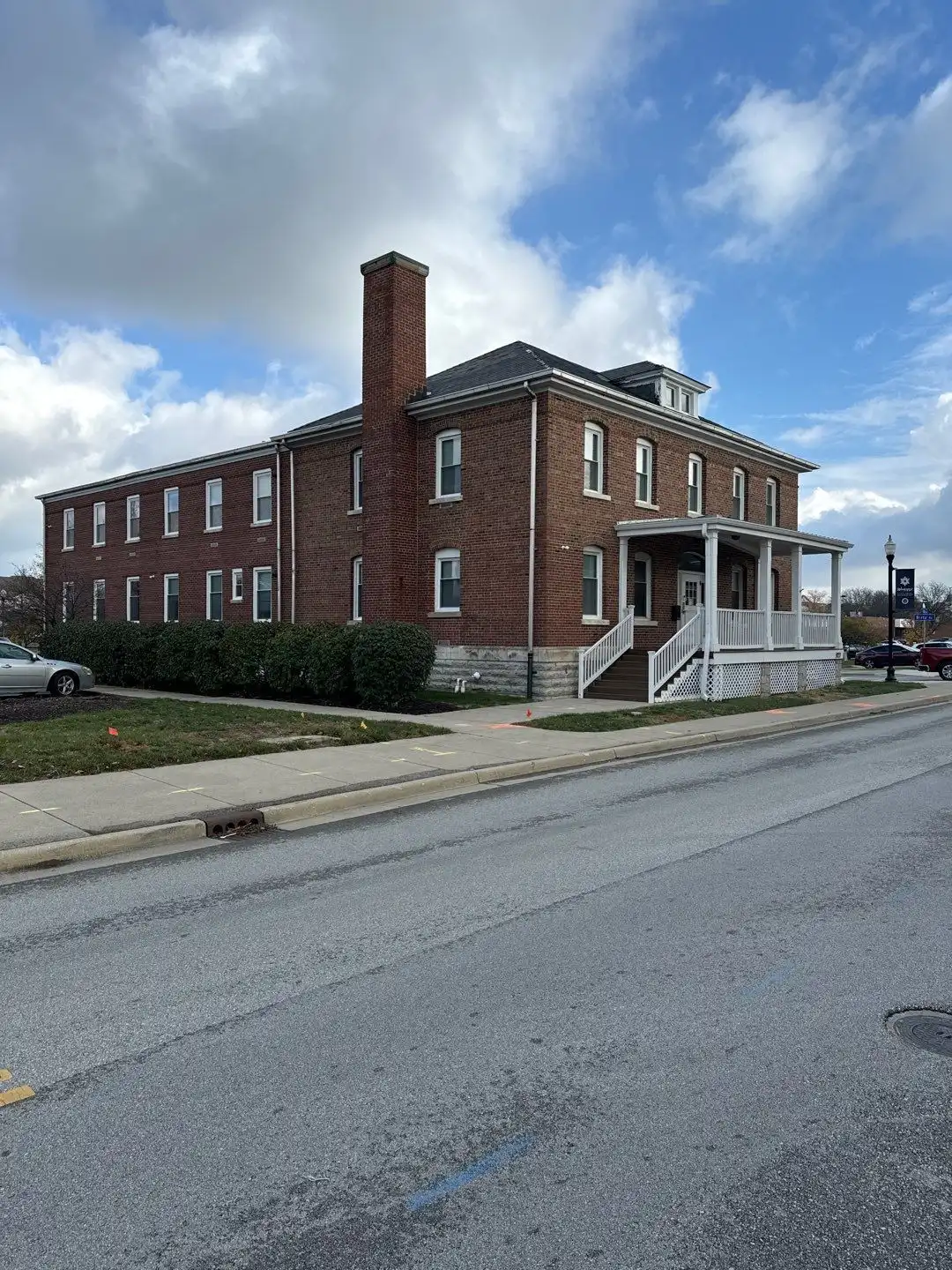
What storm damage insurance typically covers
Understanding what a commercial property policy typically covers, and what it does not, helps a Union City owner set realistic expectations for a storm damage claim. Coverage depends on the specific policy, but some general principles apply.
Sudden, accidental storm damage
Commercial property insurance generally covers sudden, accidental damage from covered perils, which often include storms, wind, and hail. Damage that a storm causes abruptly, a section of membrane torn by wind, hail impacts to the roof, is the kind of damage these policies are designed to address. For a building, storm damage that occurs suddenly from a covered weather event is typically the basis for a valid claim, subject to the policy's terms and deductible.
What is generally not covered
Policies generally do not cover gradual wear, age related deterioration, or damage from neglected maintenance, since these are considered the owner's responsibility rather than a sudden covered event. A roof that fails from being old and worn out, rather than from a storm, is typically not a covered claim. This distinction between sudden storm damage and gradual deterioration is central, and it is why documenting the storm as the cause matters so much on a Randolph County roof.
The role of the policy's terms
The specifics, what perils are covered, the deductible, how the settlement is calculated, whether on a replacement cost or actual cash value basis, are determined by the individual policy. Two buildings can have different coverage for similar damage based on their policies. For a Union City owner, understanding your own policy's terms, ideally before a storm, is important, because those terms shape what a claim will yield. Reviewing the policy or consulting your carrier clarifies your specific coverage.
Why cause and documentation are central
Because coverage turns on the damage being sudden storm damage rather than gradual wear, establishing and documenting the cause is central to a successful claim. Clear evidence that a specific storm caused the damage, tied to the date and the weather event, supports the claim, while ambiguity invites denial. For a building, this is why prompt, thorough documentation that connects the damage to the storm is so valuable, since it addresses the very question coverage depends on.
Knowing what to expect
In general, sudden storm damage from covered perils is the basis for a claim, while gradual wear is not, and the policy's terms determine the specifics. Knowing this helps a Randolph County owner approach a claim realistically and focus on documenting the storm as the cause. Coverage is ultimately determined by the policy and the carrier, so understanding your policy and documenting well are the keys to a fair outcome.
Understand your coverage and document the cause
It also helps to remember that coverage ultimately rests on the policy and the carrier, so understanding your own coverage, ideally before a storm, and documenting the damage to address the questions coverage turns on are the two things that most support a fair result. A Randolph County owner who knows their policy's terms and assembles thorough evidence of storm caused damage is well positioned, while one who is unsure of either faces more uncertainty. Knowledge of the policy and quality documentation are the foundation of a sound claim.
The broader point about storm damage claims is that the outcome is shaped far more by preparation than by luck, because the factors that decide a claim, clear documentation, a connection to the storm, prompt action, are largely within an owner's control. A Union City owner who treats the claim methodically, documenting thoroughly and acting quickly, routinely fares better than one who approaches it haphazardly. The roof that gets properly addressed by insurance is usually the one whose owner prepared the claim well from the first inspection.
Finally, the contractor an owner chooses to handle storm damage affects both the claim and the final roof, which is why the choice deserves care. A owner who selects an established, experienced, reputable contractor gains an ally who documents honestly, supports the claim through the adjuster's review, and restores the roof to a proper standard. That choice turns a stressful storm into a managed process ending in a properly repaired roof, which is the outcome the whole claim exists to achieve.
It also helps to remember that coverage ultimately rests on the policy and the carrier, so understanding your own coverage, ideally before a storm, and documenting the damage to address the questions coverage turns on are the two things that most support a fair result. A Randolph County owner who knows their policy's terms and assembles thorough evidence of storm caused damage is well positioned, while one who is unsure of either faces more uncertainty. Knowledge of the policy and quality documentation are the foundation of a sound claim.
The broader point about storm damage claims is that the outcome is shaped far more by preparation than by luck, because the factors that decide a claim, clear documentation, a connection to the storm, prompt action, are largely within an owner's control. A Union City owner who treats the claim methodically, documenting thoroughly and acting quickly, routinely fares better than one who approaches it haphazardly. The roof that gets properly addressed by insurance is usually the one whose owner prepared the claim well from the first inspection.
Finally, the contractor an owner chooses to handle storm damage affects both the claim and the final roof, which is why the choice deserves care. A owner who selects an established, experienced, reputable contractor gains an ally who documents honestly, supports the claim through the adjuster's review, and restores the roof to a proper standard. That choice turns a stressful storm into a managed process ending in a properly repaired roof, which is the outcome the whole claim exists to achieve.
It also helps to remember that coverage ultimately rests on the policy and the carrier, so understanding your own coverage, ideally before a storm, and documenting the damage to address the questions coverage turns on are the two things that most support a fair result. A Randolph County owner who knows their policy's terms and assembles thorough evidence of storm caused damage is well positioned, while one who is unsure of either faces more uncertainty. Knowledge of the policy and quality documentation are the foundation of a sound claim.
The broader point about storm damage claims is that the outcome is shaped far more by preparation than by luck, because the factors that decide a claim, clear documentation, a connection to the storm, prompt action, are largely within an owner's control. A Union City owner who treats the claim methodically, documenting thoroughly and acting quickly, routinely fares better than one who approaches it haphazardly. The roof that gets properly addressed by insurance is usually the one whose owner prepared the claim well from the first inspection.
Union City Commercial Roofing helps Union City owners document storm damage and its cause to support a claim, and works within the reality that coverage depends on the policy and carrier. Call (765) 676-3491 to get storm damage documented properly for your claim. Establishing the cause clearly is what separates a smart approach from an expensive guess.